Migration and hiring news
What changes in hiring foreign workers: government decisions, inspections, HR procedures. Every item is checked against the primary source and explained for readers outside the country concerned.

Preparing Migrant Workers: What Employers Should Check
The President instructed the Migration Service of the Ministry of Internal Affairs to initiate comprehensive work in the Government on preparing foreign workers for life and work in Russia. New obligations for employers have not yet been published, but businesses can proactively review their employee onboarding and support processes.
Read →
Preparing Migrant Workers Before Entry
A possible policy direction toward preparing candidates in their countries of origin has been publicly outlined. No new rules or deadlines for employers have been announced yet.
Read →
MIA AI Center from 2027: What Employers Should Check
The MIA’s plans to launch an analytical AI center do not introduce new obligations, but they give employers a reason to review migration documents, notifications, and contractor practices.
Read →
Growth in Legal Migrants: What Employers Should Check
The Ministry of Internal Affairs’ statement does not change the rules for hiring foreign nationals, but it reminds businesses that each candidate’s right to work and lawful presence must be verified individually.
Read →
9 Million Entries into Russia: What Employers Need
Ministry of Internal Affairs statistics show the scale of migration flows but do not confirm that everyone entering the country has the right to work. Employers need to verify each candidate’s status and document compliance.
Read →
Organized Recruitment: How Employers Prepare HR Processes
Organized recruitment of foreign workers is still under development. No new mandatory rules have been announced yet, but companies should assess the transparency of hiring and support processes for foreign personnel.
Read →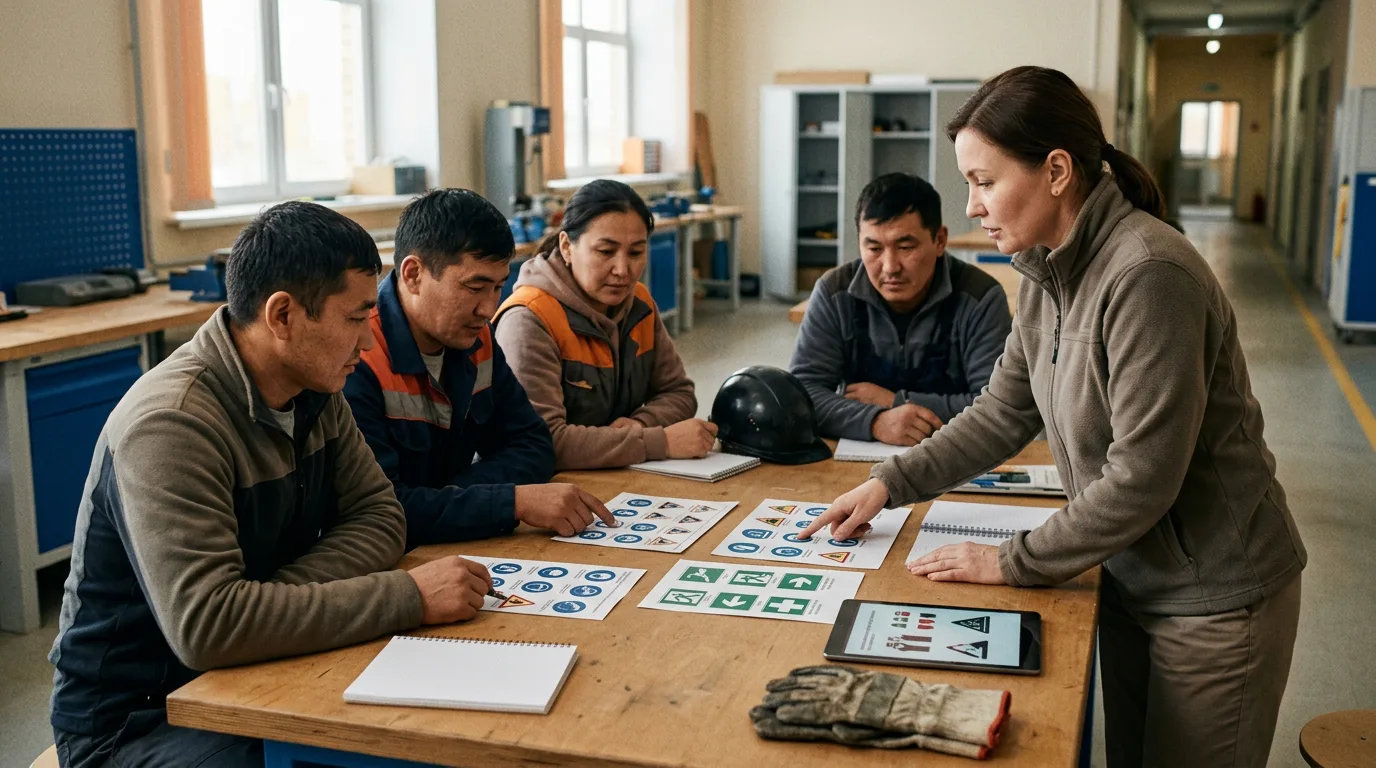
Preparing Migrant Workers: What Employers Should Consider
For now, this is an instruction to the government, not new mandatory rules. However, companies should assess their current onboarding of foreign workers and establish monitoring of official decisions.
Read →
Biometric Checks for Migrants: What Employers Should Verify
Dmitry Medvedev announced plans to extend biometric checks on the entry and movement of foreign nationals across Russia. The new obligations and launch dates have not yet been announced.
Read →
Migrant Tracking System: What Employers Should Check
For now, these are only plans: the published announcement contains no rules, deadlines or new obligations for businesses.
Read →
Change of Head of Russia’s Ministry of Internal Affairs
The appointment of a new CEO of the Federal State Unitary Enterprise “Passport and Visa Service” of the Ministry of Internal Affairs does not change the rules for hiring foreign nationals, but it does require employers to keep their working contacts and organizational details up to date.
Read →
Patent Notifications: What Changes from 1 January 2027
The Ministry of Internal Affairs’ draft changes only some notifications relating to a foreign national working under a patent. Organizations and sole proprietors must not mistake the cancellation of the worker’s notification for the cancellation of their own obligation.
Read →
Fall from a Suspended Platform: What Employers Should Check
The reported death of a migrant construction worker who fell from a suspended platform in southeastern Moscow is a reason for employers, general contractors and clients to check permits, PPE and equipment condition.
Read →
Two Patents for Working in Moscow and Tver Region
The Moscow Migration Center explained the procedure for a foreign employee working in Moscow and Tver Region: a separate patent is required for the second region.
Read →
Salaries in Tatarstan: How Employers Can Plan Hiring
Tatarstan’s labour market requires employers to compare job offers more precisely, forecast shortages in advance and keep foreign workers’ documents under control.
Read →
Amina Registration in Moscow: What Employers Should Check
An experimental procedure is in effect in the capital region for registering adult visa-free foreign nationals through the “Amina” app. It is important for the employer to determine whether the employee is covered by the experiment and whether the company owns the accommodation provided.
Read →
Foreign Workers on Construction Sites in Nizhny Novgorod
Foreign workers in Nizhny Novgorod Region are most often employed in construction. For companies, this is a reason to strengthen HR controls at worksites and when engaging contractors.
Read →
Migrant Adaptation Course in Kalmykia: What Businesses
Kalmyk State University has begun an educational series for foreign nationals working in Russia. For employers in the region, it is an additional employee adaptation resource, not a new mandatory procedure.
Read →
Hiring Armenian Citizens: How to Prepare for the Risks
Public discussion of Armenia’s possible withdrawal from the EAEU does not change the current rules governing its citizens’ work in Russia. Employers should not re-document employees in advance, but should check their documents and prepare a plan in case of official decisions.
Read →
The Labour Market and Foreign Workers: What Businesses Need
The statement by Opora Russia does not change hiring rules, but it highlights the problem of labour shortages. Companies should assess their staffing needs and readiness to legally hire foreign nationals in advance.
Read →
Returning Employee: How to Check Migration Registration
The Moscow Migration Center (Миграционный центр Москвы) clarified that after a new entry, a foreign national must be registered again for migration purposes, even if their patent remains valid and was paid for in advance.
Read →