Migration and hiring news
What changes in hiring foreign workers: government decisions, inspections, HR procedures. Every item is checked against the primary source and explained for readers outside the country concerned.

Foreign Workers 2027: 236,000 in St. Petersburg by 2029
The city forecast projects an increase in the estimated number of foreign workers in St. Petersburg from 230,000 in 2026 to 236,000 by 2029.
Read →
MVD initiated more than 260,000 entry bans in 2026
The Ministry of Internal Affairs of Russia reported that, in January—August 2026, internal affairs agencies initiated more than 260,000 decisions denying entry to foreign nationals and stateless persons.
Read →
MVD to Receive Data on Foreign Nationals’ Employment
Interagency data exchange on foreign workers is expanding: employment information will be added to income data.
Read →
Migration Registration in the Regions
Dmitry Medvedev proposed extending Moscow’s experience of registering foreign nationals through a dedicated app across Russia. No new rules for businesses have been announced yet, but HR departments should prepare to monitor the relevant processes.
Read →
Salary threshold for highly qualified specialists (ВКС)
The Ministry of Internal Affairs of the Russian Federation (Министерство внутренних дел Российской Федерации, МВД России), the federal executive body responsible for internal affairs and migration matters, has announced an almost threefold increase in the salary criterion for foreign highly qualified specialists from 1 March 2027. The exact amount has not yet been announced.
Read →
Hiring Armenian Citizens: How to Prepare Your Company
A joint report by four EAEU states describes possible tighter labor migration conditions for Armenian citizens. The new rules have not been announced, but employers should check their records, contracts, and allocation of responsibilities in advance.
Read →
Work permits for foreign nationals increased by 21%
From January–September 2026, Russia’s Ministry of Internal Affairs (Министерство внутренних дел Российской Федерации; МВД) issued about 215,3 thousand work permits to foreign nationals—21% more year on year. The statistics do not change hiring rules but make document checks especially important.
Read →
How to Legally Change a Foreign Employee’s Work Schedule
Reducing working hours and pay cannot be introduced by an employer’s order. We explain how to review the employment contract, execute an agreement, or apply the procedure under Article 74 of the Labour Code of the Russian Federation (ТК РФ).
Read →
Organized Recruitment of Foreign Workers
The Federation of Independent Trade Unions of Russia (ФНПР) outlined an approach to organized recruitment: foreign workers should be brought in based on the employer’s confirmed need while preserving priority for the employment of Russian citizens. These are not new mandatory rules.
Read →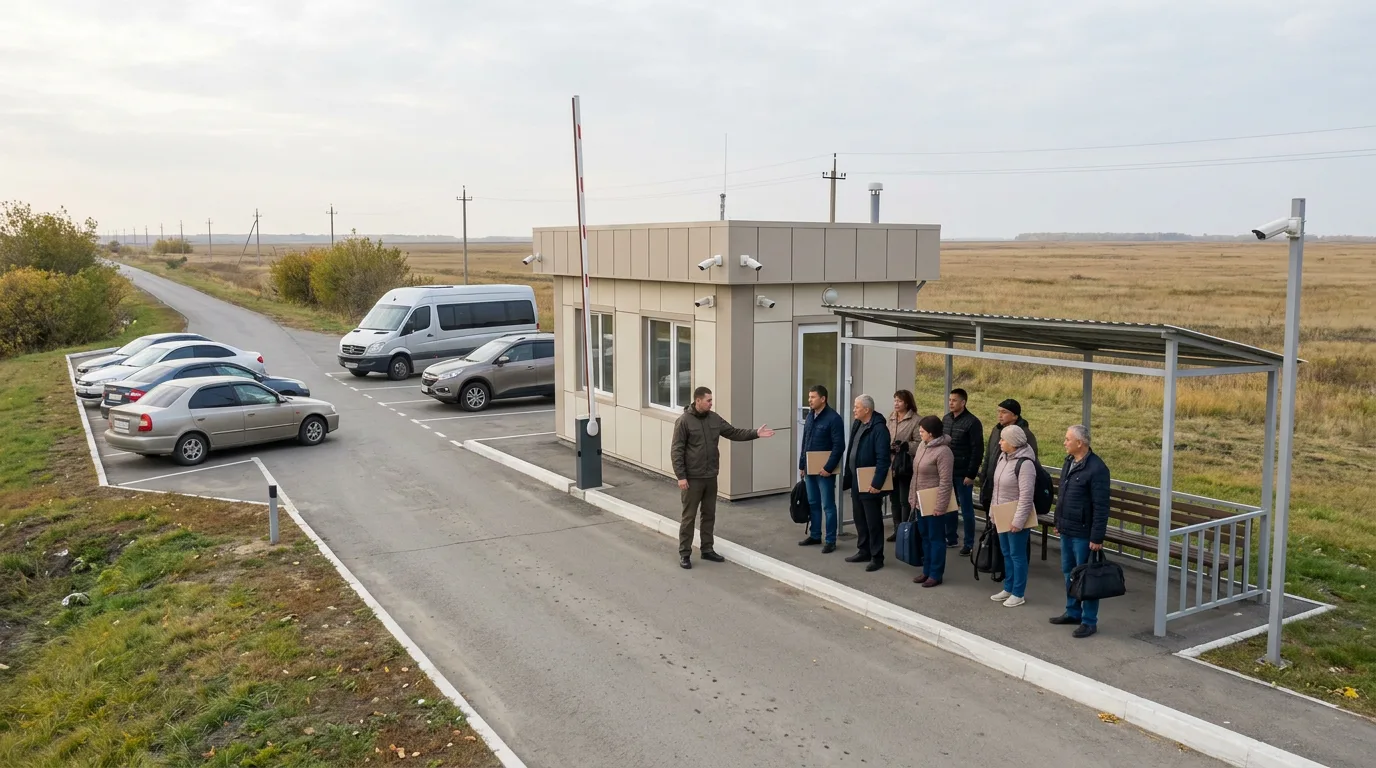
Border Control Point in Tyumen Region: What to Consider
An additional Ministry of Internal Affairs control point for migrants is planned in Kazansky District. Employers should check personnel entry routes and document readiness in advance.
Read →
Hiring Foreign Workers: How to Strengthen HR Compliance
Trade unions identify migration policy, the labor shortage, new forms of employment, and AI as factors reshaping the labor market. For employers, this is a reason to review how hiring, pay, safety, and contractor oversight are organized.
Read →
Investigation involving the Ministry of Internal Affairs
An investigation has been launched in Naberezhnye Chelny involving an employee of the local Ministry of Internal Affairs office (МВД), based on information about possible bribe-taking from migrants. Employers should maintain official document-handling procedures and review their internal controls.
Read →
Illegal Hiring of a Foreign National: A Case in Astrakhan
Police reported identifying a foreign national who had been illegally working as a barber in an Astrakhan barbershop. The entrepreneur is expected to face liability under Article 18.15 of the Code of Administrative Offenses of the Russian Federation, but no final decision has yet been reported.
Read →
Migration Policy Concept 2026–2030
The Ministry of Internal Affairs of Russia reported on a foreign national’s digital profile, RuID, biometric control and the “Amina” experiment. The report imposes no new obligations on employers.
Read →
The “Work in Russia” Career Center Updated in Krylovskaya
Following modernization, the “Work in Russia” Career Center began operating in the stanitsa of Krylovskaya. Employers can use it as a platform for posting vacancies, consultations, and recruiting employees.
Read →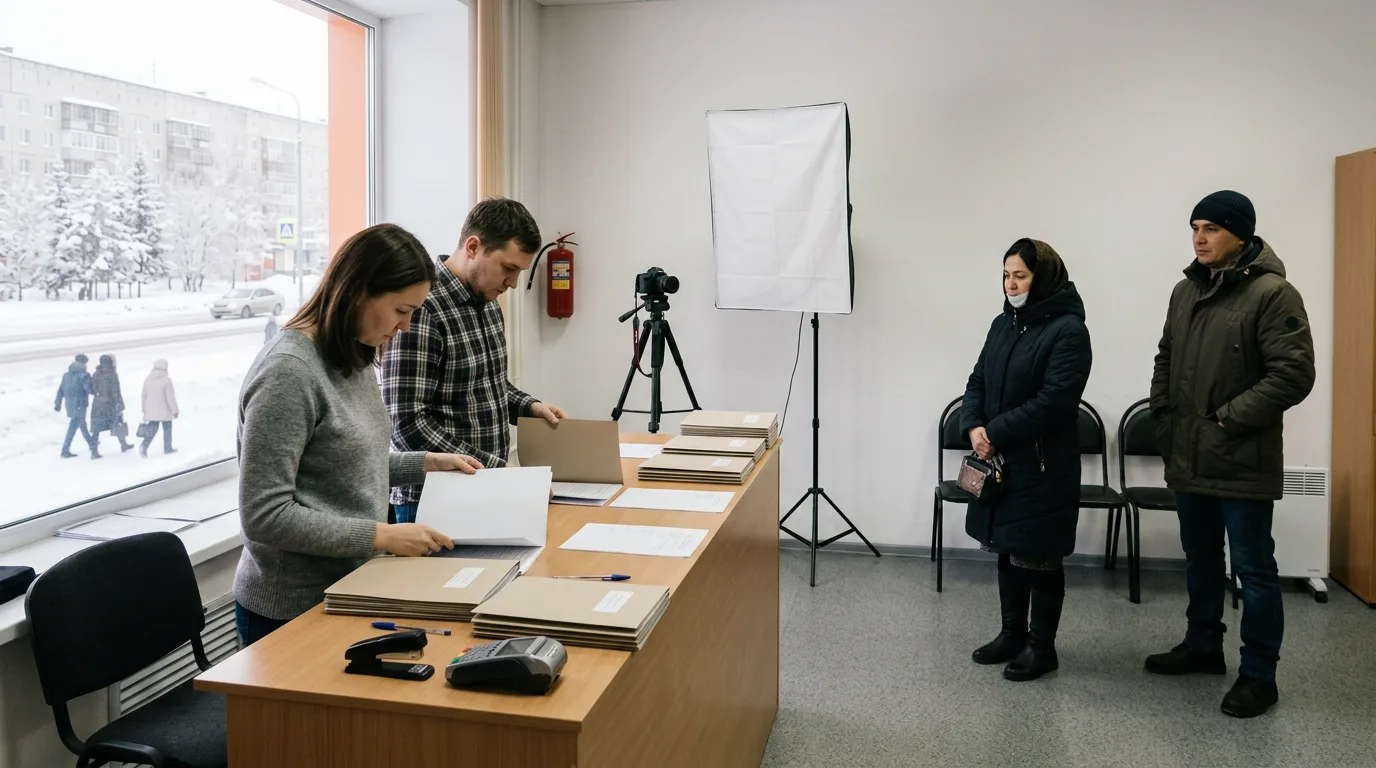
Fictitious Contracts with Foreign Nationals
The Ministry of Internal Affairs reported an investigation in Khanty-Mansiysk: five photo studio employees are suspected of arranging contracts for foreign nationals without intending to provide work and registering them without actual accommodation.
Read →
Russia–Montenegro Visas: What Employers Need to Consider
Russia and Montenegro are moving to a reciprocal visa regime. Employers should review employee travel plans and avoid relying on unconfirmed application procedures.
Read →
Pay for Foreign Workers: Trade Union Position
Sverdlovsk trade unions urged businesses not to gain a cost advantage by paying foreign workers less. The material introduces no new mandatory rules, but companies should check the transparency of payments and the grounds for differences in pay.
Read →
Visa-Free Entry for Vietnamese Citizens
The temporary visa-free procedure for Vietnamese citizens is in effect from 15 October 2026 through 15 October 2027, inclusive. It does not apply to entry for employment purposes.
Read →
MVD Raids: How to Check the Hiring of Foreign Workers
Inspections in several regions highlighted the risks of working without the required permits and outside the Russian constituent entity that issued the patent.
Read →