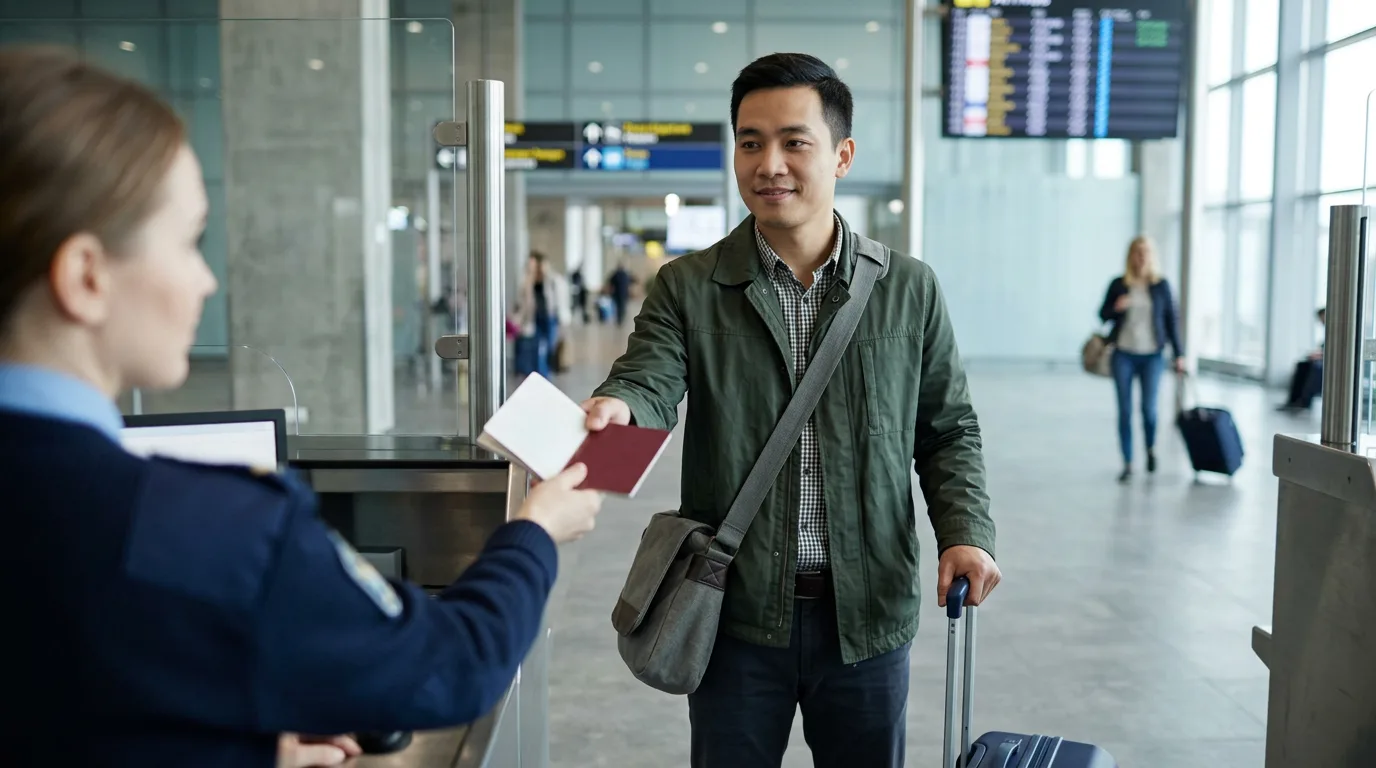
For companies, the change is primarily important as a rule for checking the purpose of entry. A Vietnamese citizen will be able to come to Russia without a visa for no more than 30 days for the purposes provided for by the decree, including visits to friends and relatives and business visits, tourism, transit, and participation in the events listed in it. However, the visa-free procedure does not provide grounds for entry for work.
When the Temporary Procedure Takes Effect
The decree on the temporary procedure for the entry into and exit from Russia of Vietnamese citizens (Указ о временном порядке въезда и выезда граждан Вьетнама), the legal act establishing the relevant entry rules, enters into force on 15 October 2026. The regime itself is established for a limited period: it remains in effect through 15 October 2027, inclusive. This is not an indefinite change to the rules, so HR and administrative departments need to take both dates into account when planning trips.
Under this procedure, a Vietnamese citizen may enter Russia, stay in the country, and leave without a visa if the purpose of the trip is included in the list set out in the decree. The maximum period of stay is 30 days. Such trips are made on the basis of an ordinary passport of a Vietnamese citizen.
A Business Visit Is Not the Same as Employment
The list of visa-free purposes includes business visits. However, the decree separately excludes entry for employment. Therefore, visa-free status or a business purpose of travel in itself should not be regarded as permission to work in Russia.
For an employer, this means that the purpose of the visit and the actual purpose of entry must be distinguished before the specialist arrives. If the planned presence is connected with employment, the temporary visa-free procedure cannot be applied. This material does not describe how entry for work is arranged: this issue should be checked against the official text of the decree and the applicable rules.
What Trips Can Be Planned Under the New Rule
The decree covers visits to friends and relatives and business trips, tourism, transit, as well as participation in the events listed in the document. This may be relevant to businesses, for example, when arranging a short-term business visit for a Vietnamese citizen, provided that the purpose of the trip genuinely corresponds to one of the prescribed categories and is not employment.
At the same time, the source material does not disclose the list of events mentioned in the decree. This wording should not be interpreted broadly, and a specific event should not be classified under it in advance without checking the official text. This approach helps prevent the purpose of entry provided for by the rules from being replaced with wording that is convenient for the organization.
Which Purposes Are Expressly Excluded
The temporary procedure does not apply to entry for work, including journalistic activities. In addition, it does not apply to entry for education or residence. These exclusions must be taken into account not only when preparing the trip, but also during internal approvals with the host party.
Communication controls are particularly important: an invitation to a meeting, negotiations, or an event does not change the established purpose of entry. If a company anticipates that a Vietnamese citizen will perform work, it cannot rely on a visa-free business visit. The material provided does not contain information about the consequences of violations or penalties.
How to Incorporate the Rule into HR Controls
Before the regime begins, it is advisable to update internal instructions for recruiters, HR staff, department heads, and employees who organize travel. They should separately state that the visa-free procedure takes effect on 15 October 2026, is limited to 30 days, and is not intended for entry for employment.
The practical check should begin with the purpose of the specific trip, rather than with the citizenship of the candidate or guest. If the purpose is unclear or the situation may be connected with work, it is safer not to draw conclusions from a brief notice about the decree. It is necessary to consult the official text of the document and the applicable rules of Russian law, since the rules governing the stay are determined by those sources.
What to Check
- Record the start date of the regime in internal processes — 15 October 2026.
- Bear in mind that the temporary procedure remains in effect through 15 October 2027, inclusive.
- Check the purpose of every planned trip by a Vietnamese citizen before organizing it.
- Do not equate a visa-free business visit with entry for employment.
- Take into account the maximum period of stay under the regime — no more than 30 days.
- Consult the official text of the decree and the applicable rules if the trip is connected with work or the purpose raises doubts.